

how can braces help you?
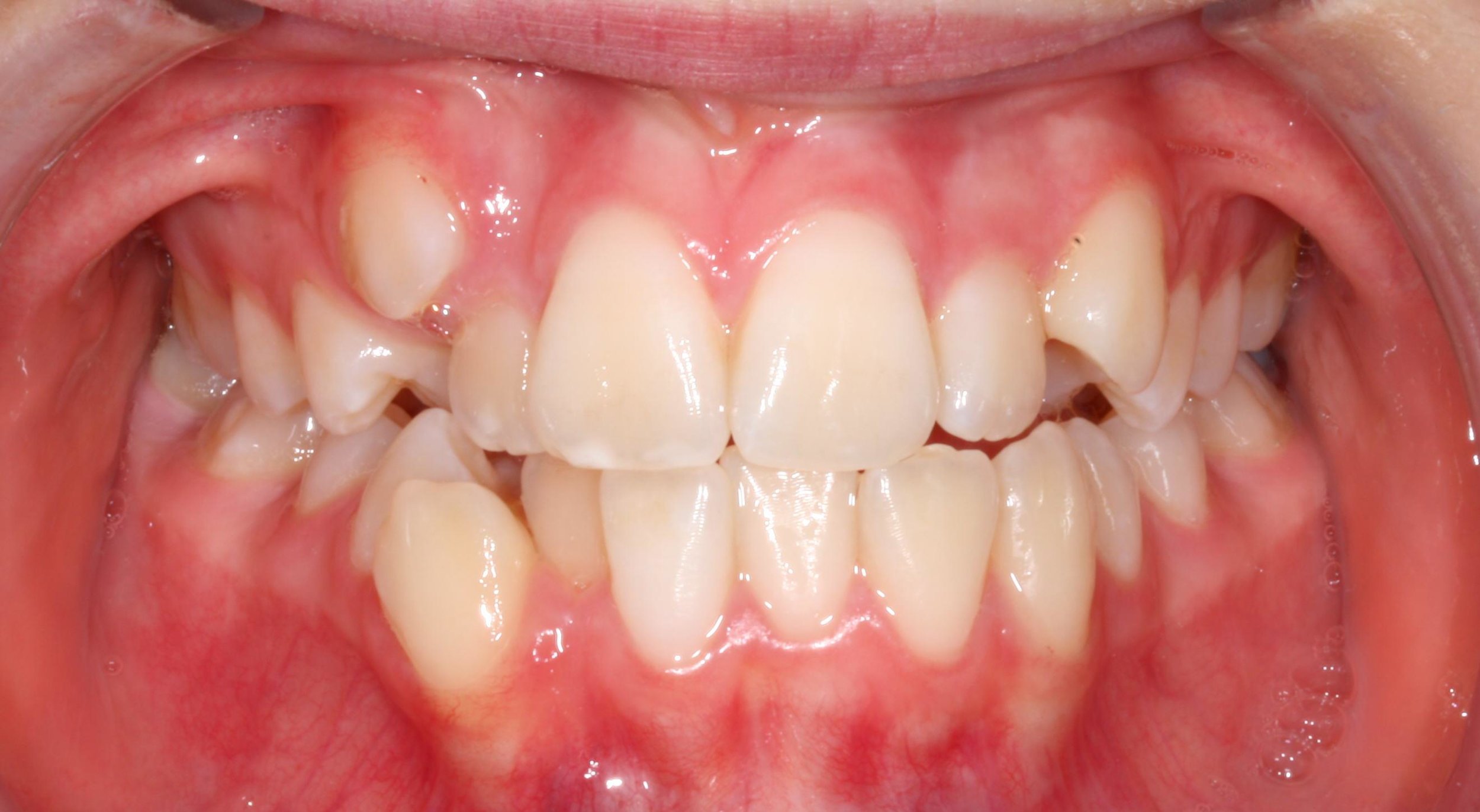
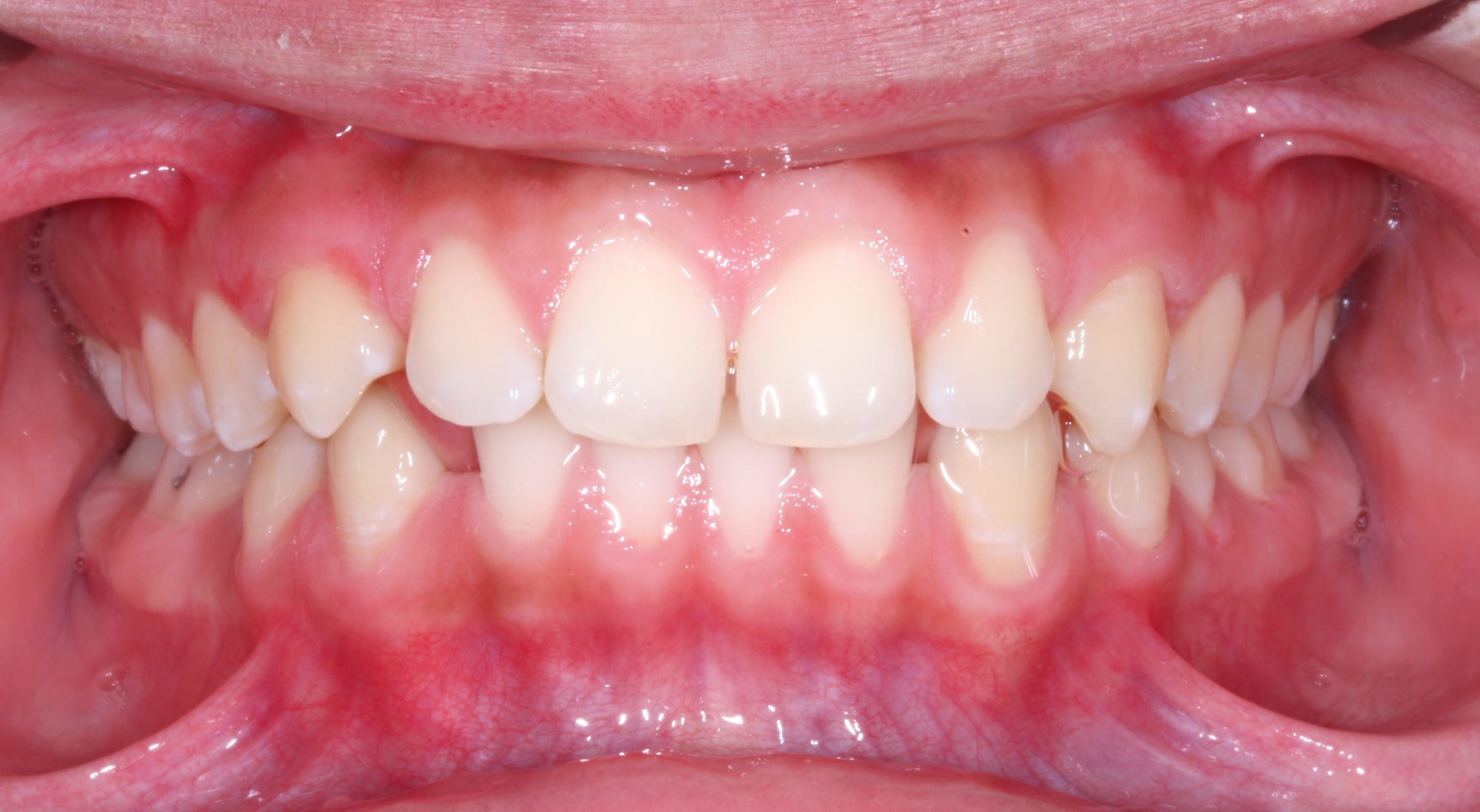
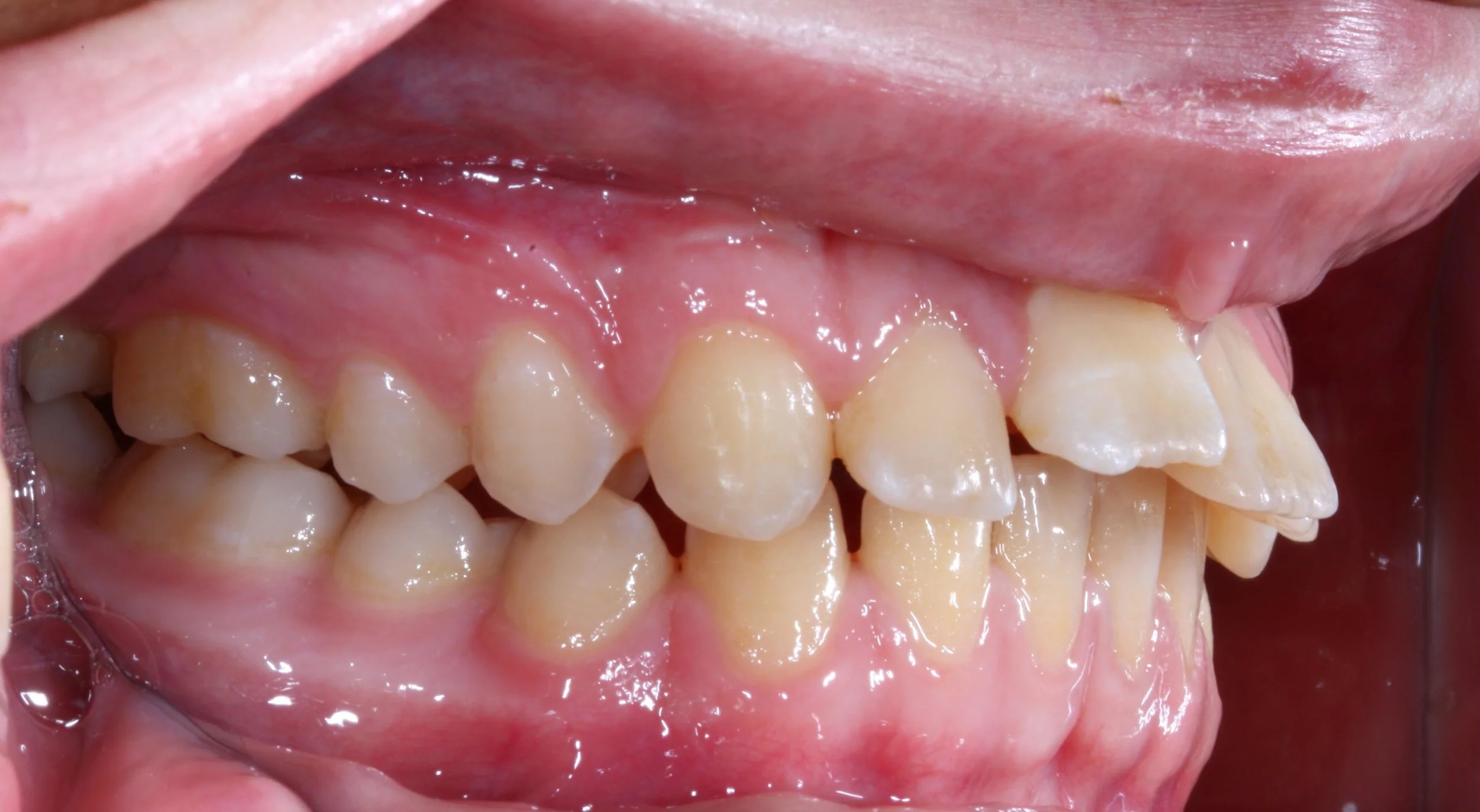
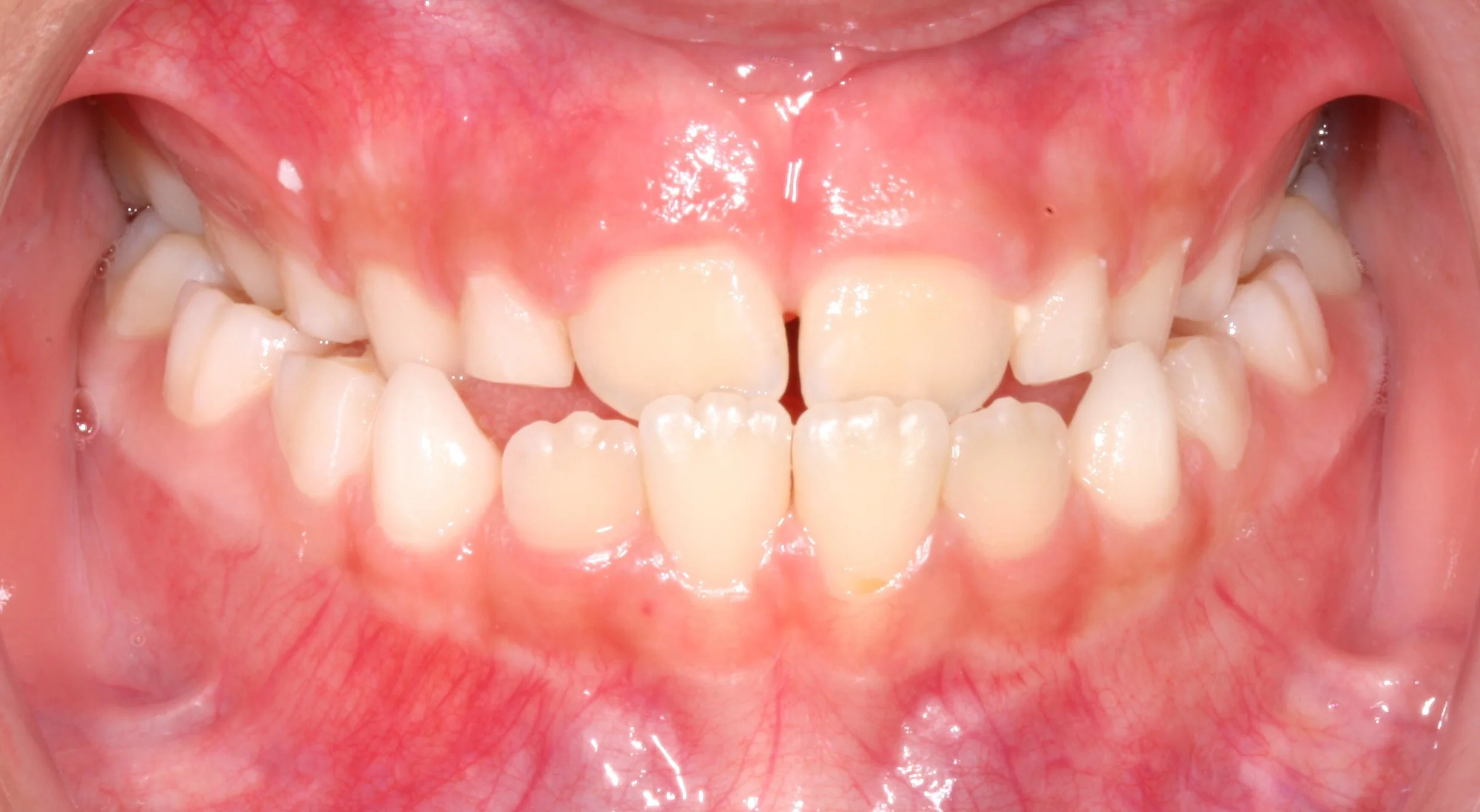
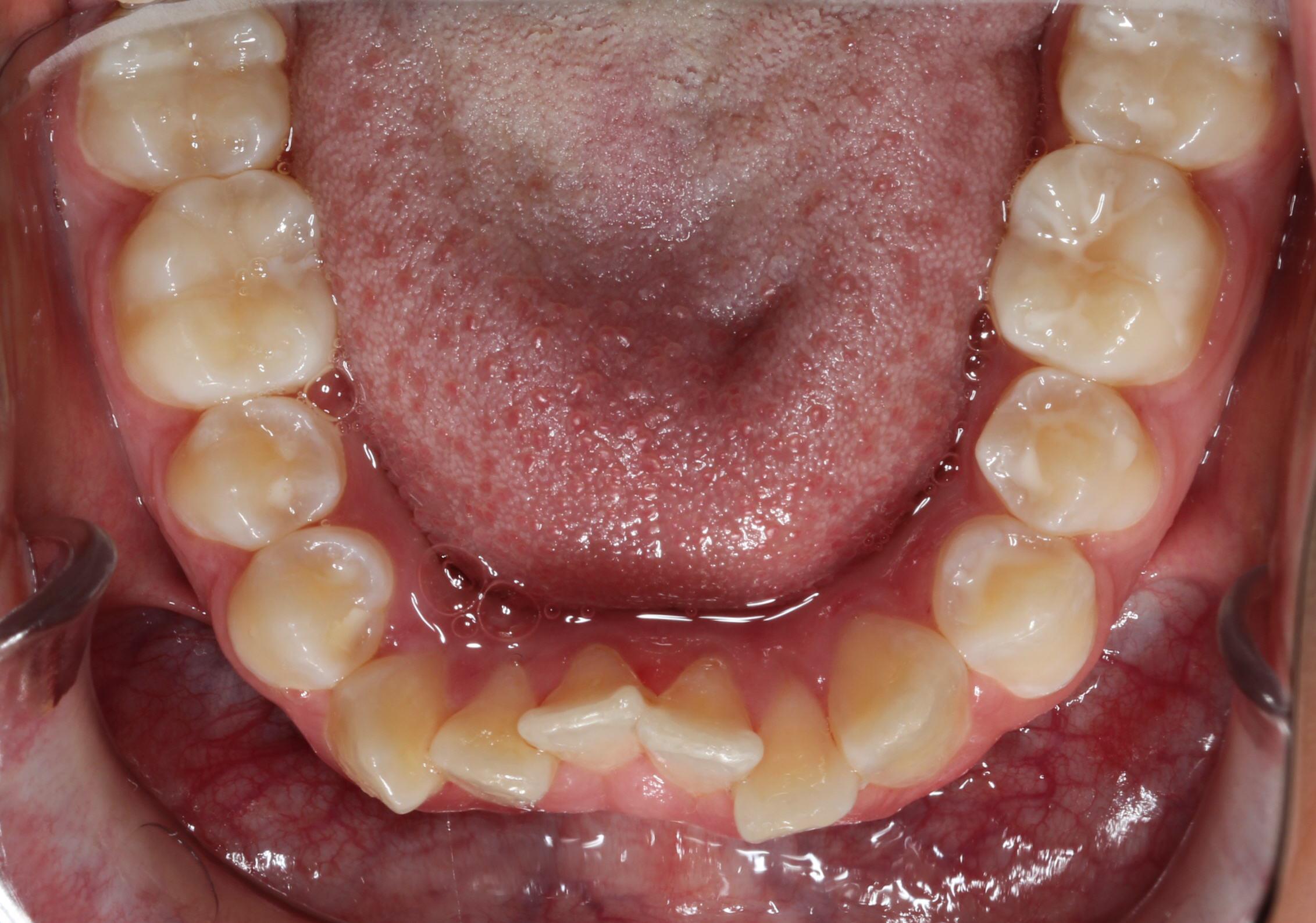
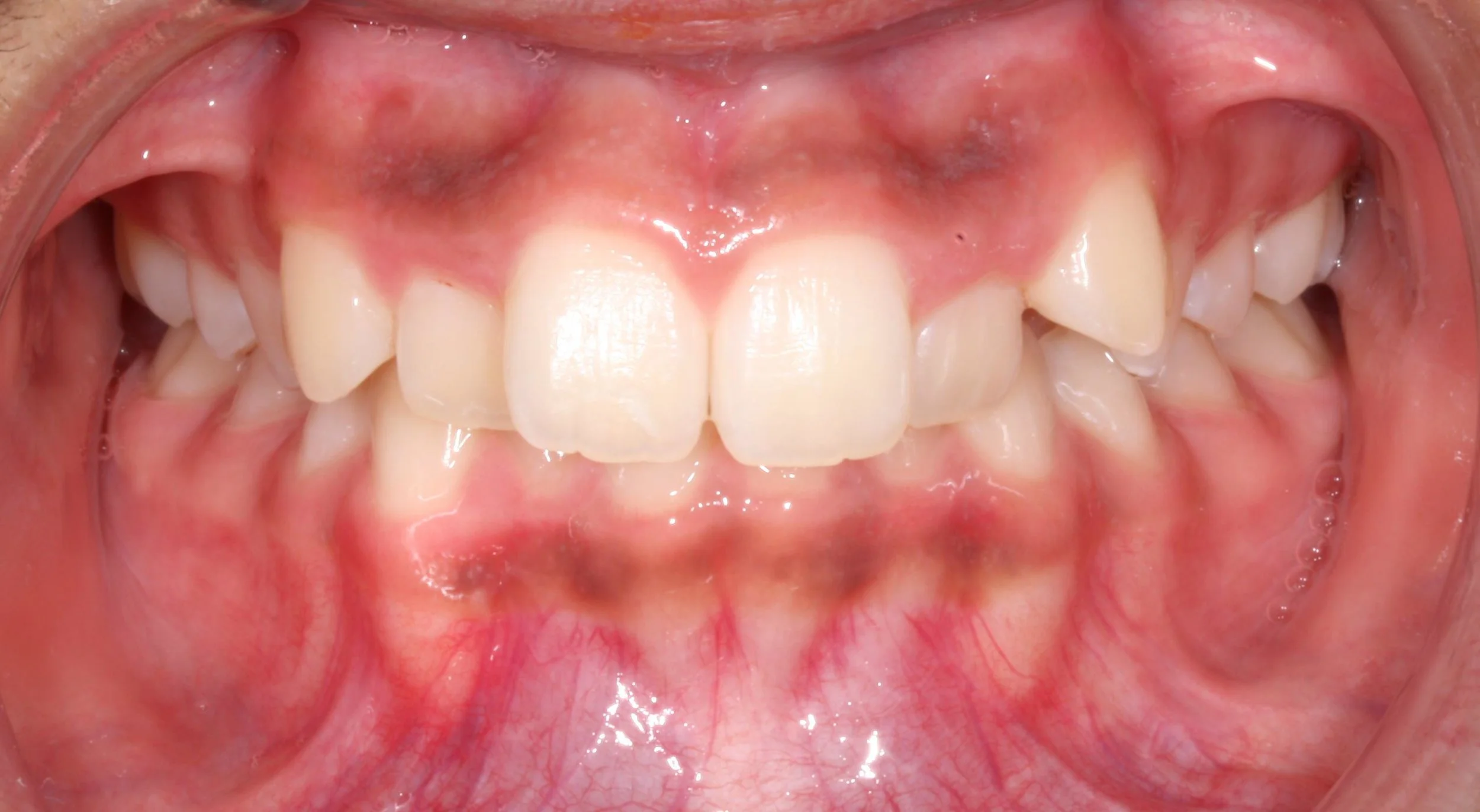
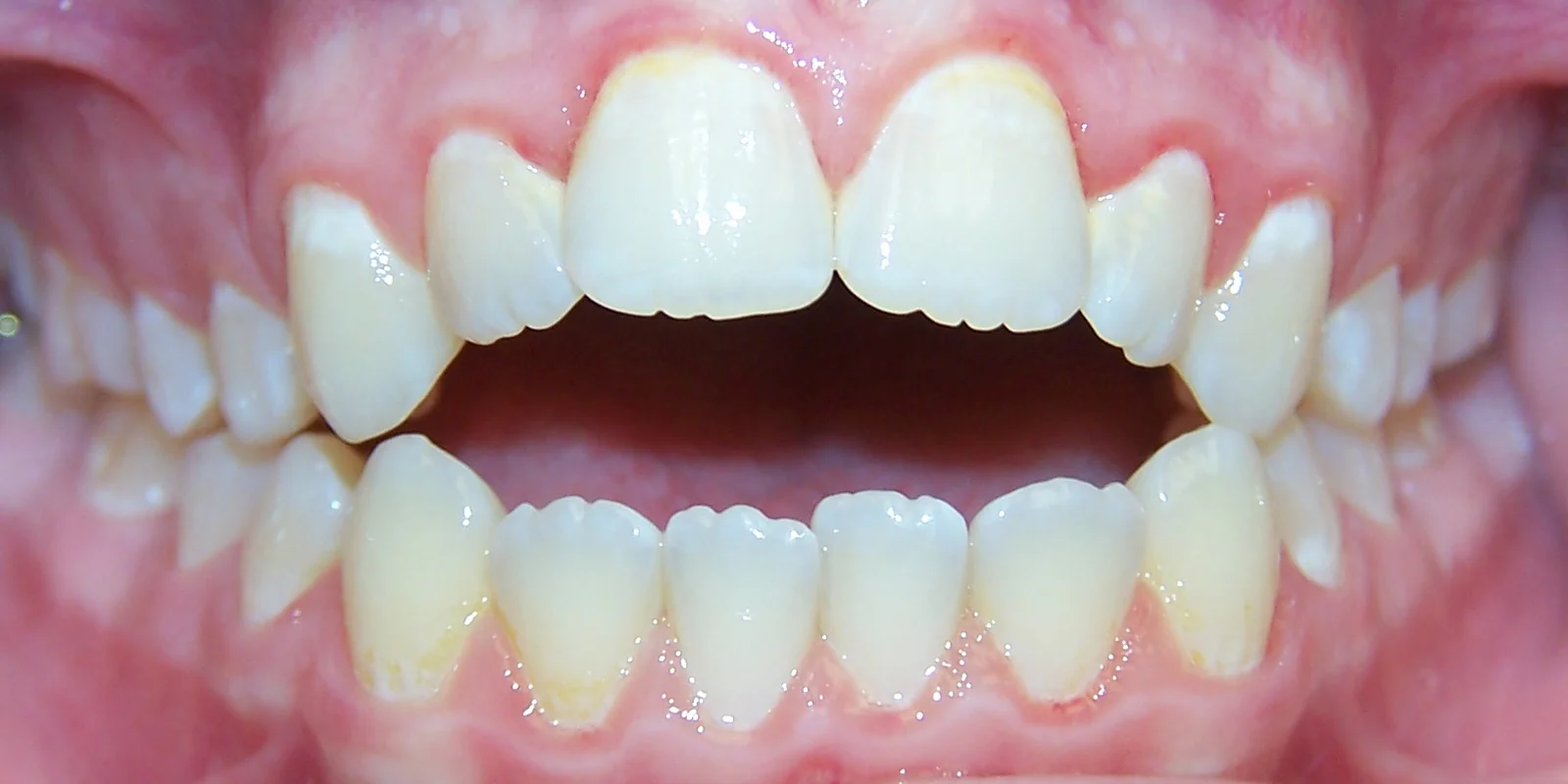
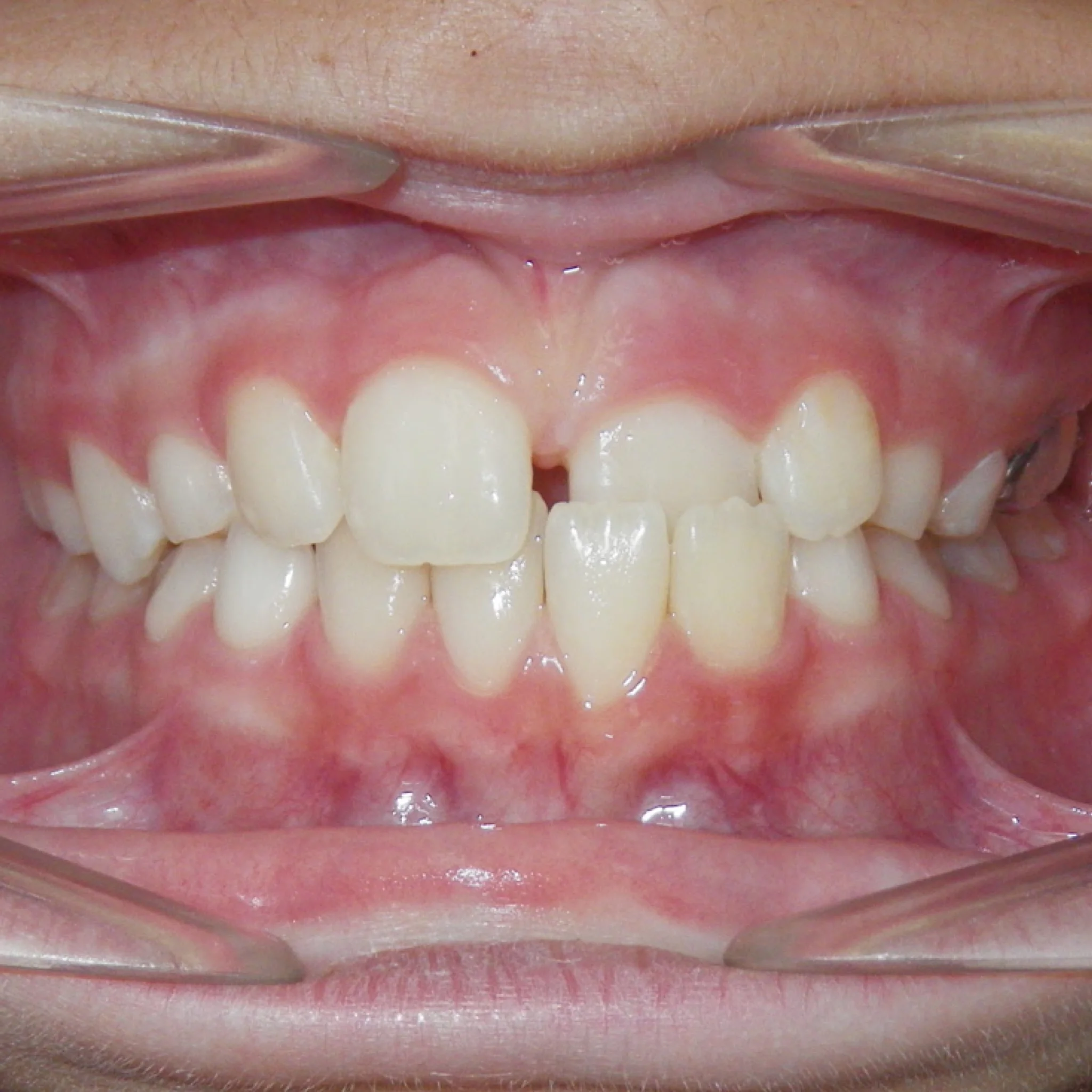
There are many reasons to consider getting braces. While aesthetics—such as correcting crooked, overlapping, or overcrowded teeth—are often a primary motivation, braces also play an important role in improving oral health. They can correct bite issues (malocclusions), which occur when the jaws are misaligned or differ in size.
Straighter teeth are easier to clean and care for, potentially helping to prevent more serious and costly dental or gum issues in the future. Investing in braces not only enhances your smile but also supports long-term oral health.
Here are a few examples of things to look for to determine if you need braces:
WHEN TO SEE THE ORTHODONTIST

The American Association of Orthodontists (AAO) recommends that all children have a check-up with an orthodontist specialist no later than age 7. At this time, the bite begins being establish when the first molars erupt (approximately age 6). The incisors or the front teeth have also begun to erupt at this time and problems can be detected such as crowding, habits, deep bites and some jaw discrepancies. Although most kids do not need treatment at this time, a timely evaluation will lead to significant treatment benefits moving forward and the immediate benefit of a parent's peace of mind. Adolescents and adults with fully developed dentition can seek a consultation from an orthodontist at any time.
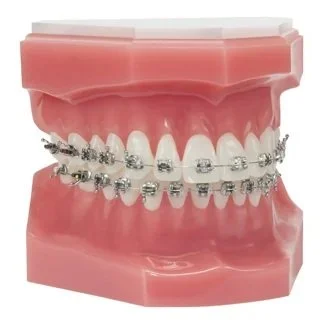
METAL Braces
Metal braces consist of stainless steal brackets adhered to your teeth with an adhesive and connected by a wire. The braces are activated periodically with light pressure to gently straighten your teeth. Despite new options, metal braces remain the most common and reliable choice for orthodontic treatment.
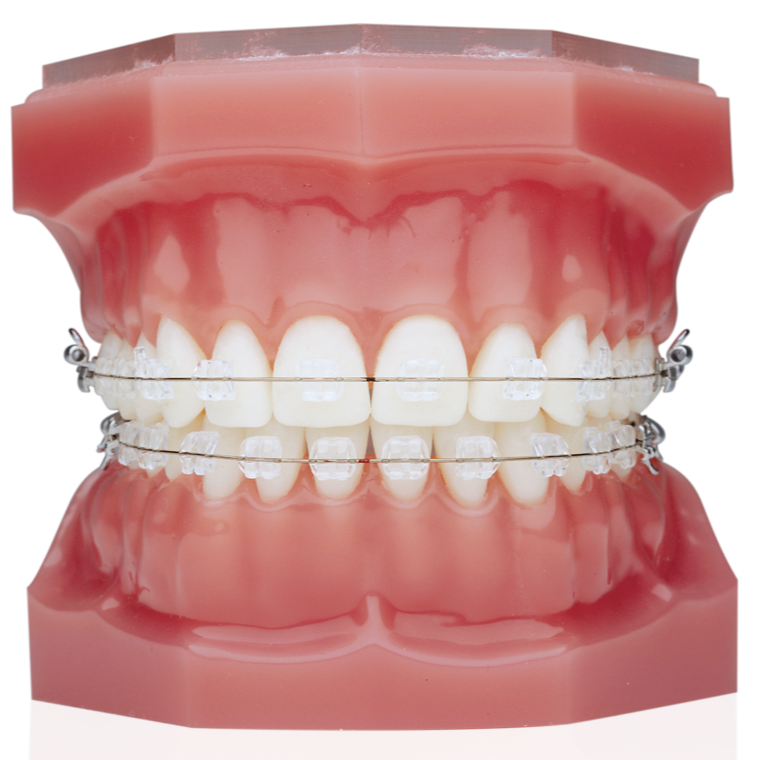
3D CLEAR Braces
Clear braces function similarly to traditional metal braces, using bonded brackets and a metal wire to move teeth. However, Light Force clear braces offer a more advanced solution, featuring stain-resistant, 3D-printed ceramic brackets designed for improved aesthetics. Their fully customized design, tailored to each patient’s tooth anatomy, enables more precise, efficient treatment with a more discreet appearance.
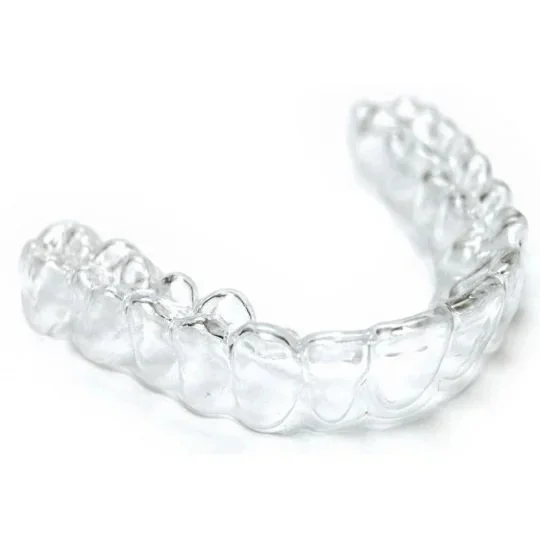
Invisalign
Invisalign treatment consists of clear sets of removable aligners custom fitted to your teeth. You must wear them 20-22 hours a day and change your set of trays at set intervals as your teeth straighten.
Steps to getting braces

Initial Consultation
At the initial consultation, we will evaluate your teeth and jaws and provide you with a preliminary treatment plan that we will confirm before treatment is started.
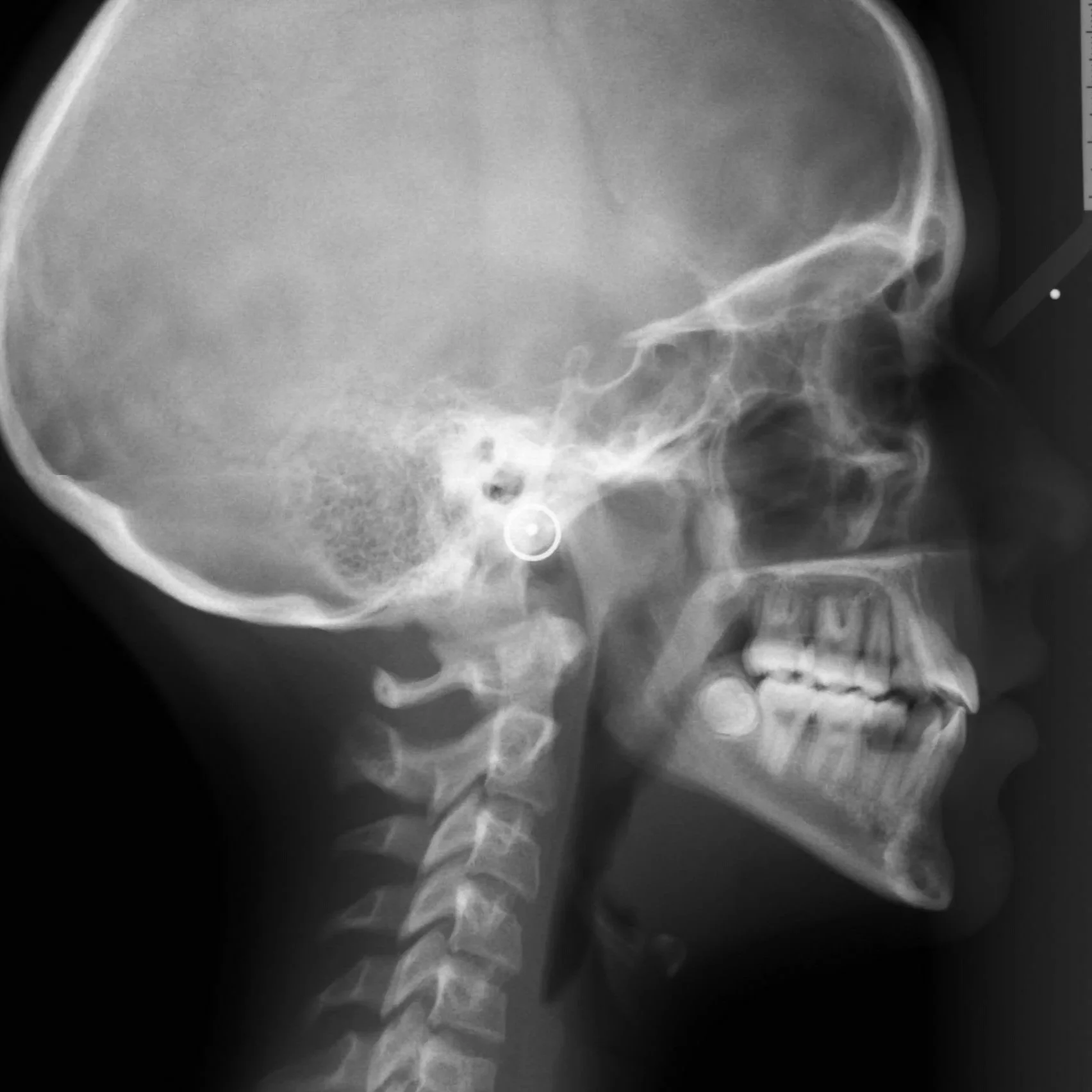
Records
Initial records are done to get an understanding of the malocclusion. This typically consists of x-rays, photographs, and study models of the teeth. We then use these records to finalize the treatment plan.
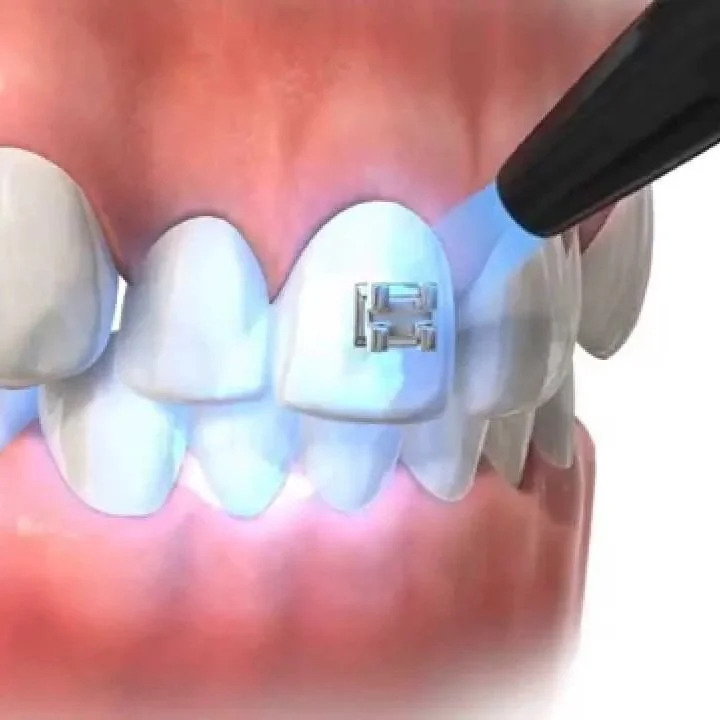
Starting Treatment
Depending on your treatment needs, you may be starting your treatment with an appliance like an expander, headgear, facemask or even recommended to remove teeth before braces. Patients without these needs will get braces bonded on their teeth, wires placed, and instructions on braces care and oral hygiene.